TECHNOLOGY & INNOVATION
At VLIZ, we believe that Technology and Innovation are essential to tackle the current limited ability to make comprehensive observations in the world’s ocean and seas. There is an emerging need for ocean data to improve our understanding, management and sustainable use of the marine environment. We believe increased inclusion and further technological developments of inegrated observation networks, including Marine Autonomous Systems, will advance our capacity to measure the Essential Ocean Variables and fill important data gaps to advance our scientific knowledge and solve pressing scientific questions.
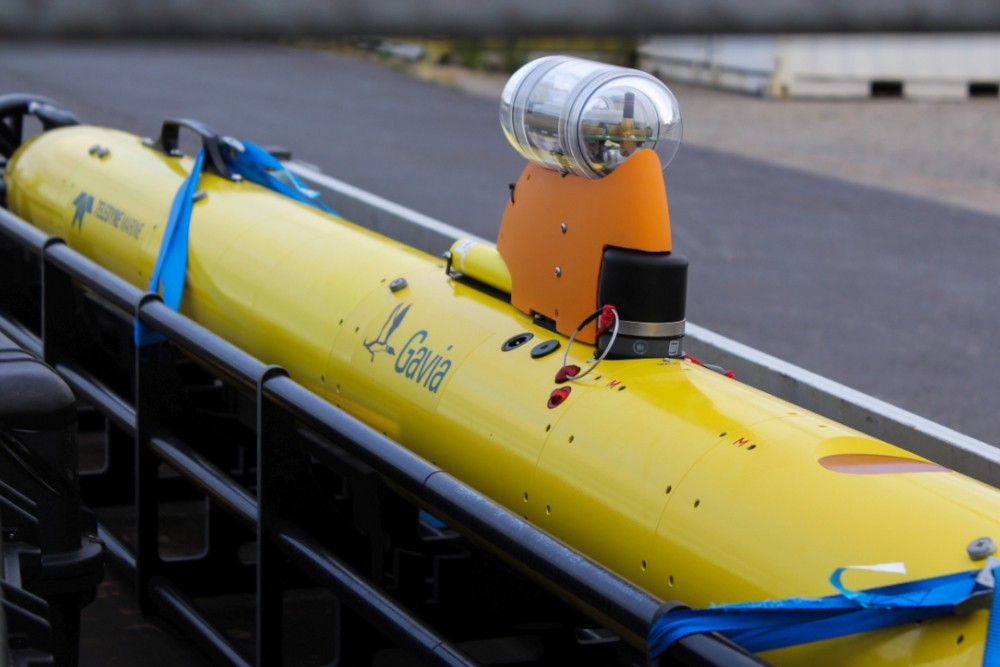
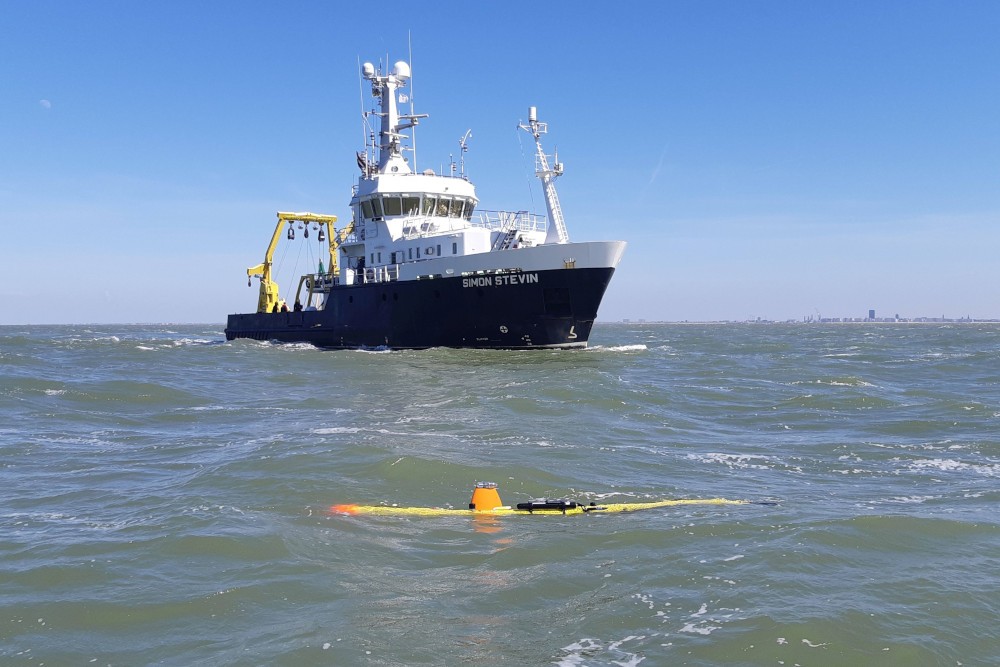
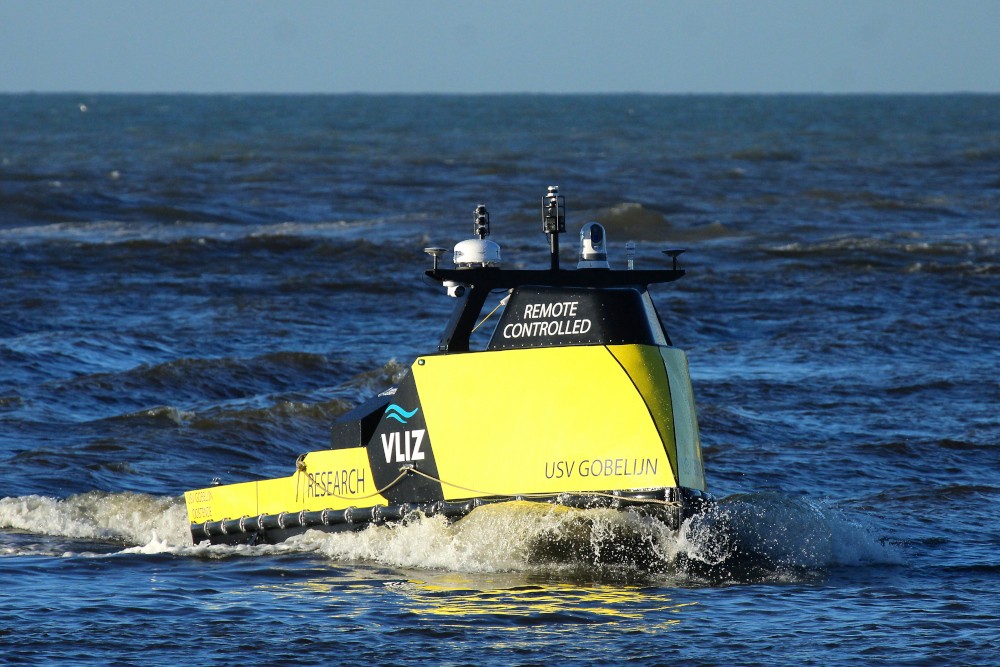
With as goal to advance marine science in Flanders, VLIZ is developping, co-ordinating and providing access to major platforms, observing systems and technical expertise. To this end VLIZ invests in instruments, technologies, sea going- and data platforms, and supporting research centres such as the Marine Robotics Centre and the Marine Observation Centre.
Technology @ VLIZ
Projecten
Greenland Gradients
We have over the last 25 years made long-term environmental measurements in East Greenland, mostly in the Daneborg/Zackenberg area.
Sonarlogger
VLIZ developed the Sonarlogger, a new observation tool to monitor long-term changes on the seafloor.
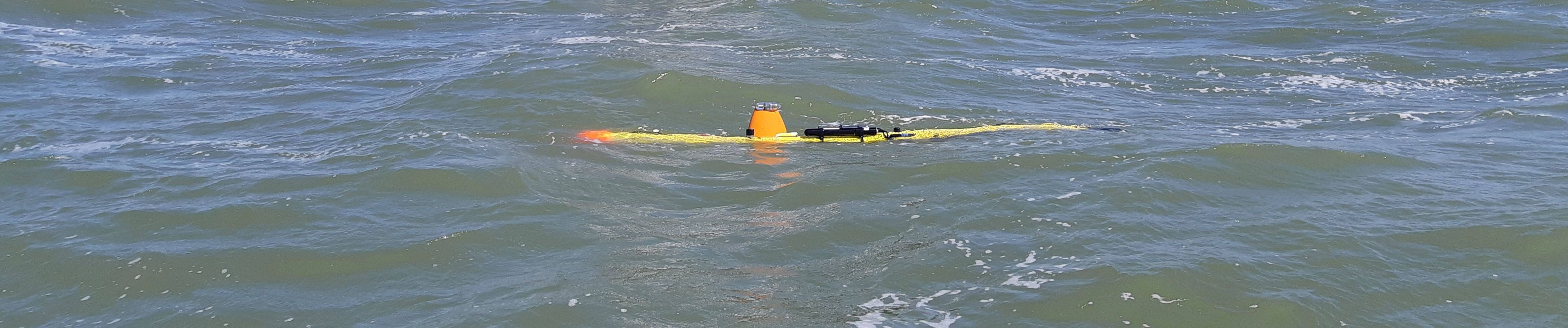
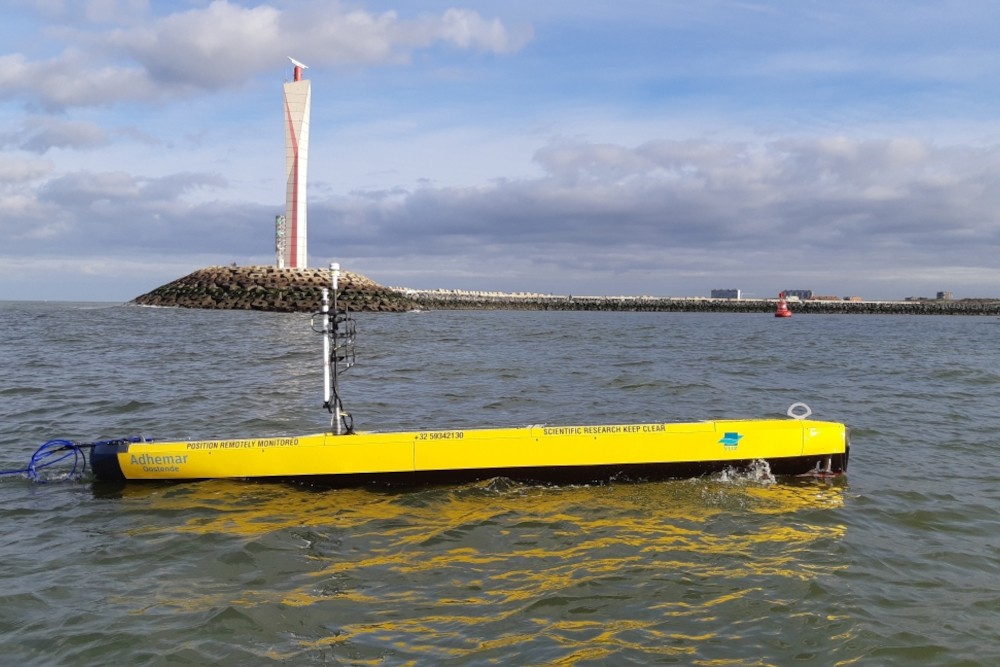
Integration of the pCO2 sensor in the USV Adhemar
VLIZ has recently enhanced its Unmanned Surface Vehicle (USV) Adhemar with the integration of a high-precision pCO2 sensor, the Hagan Gen-X.