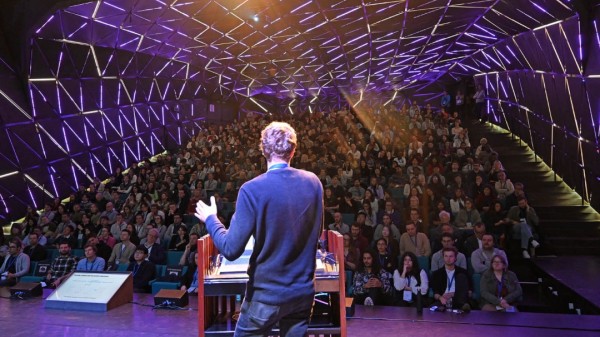
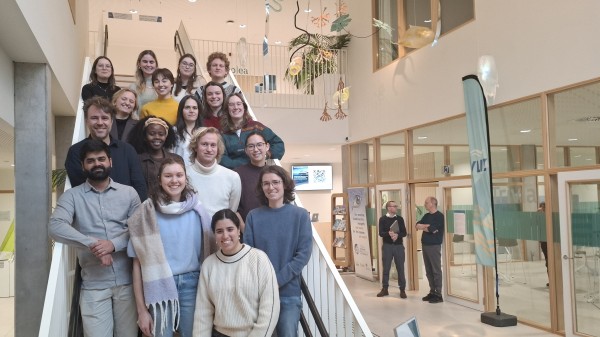
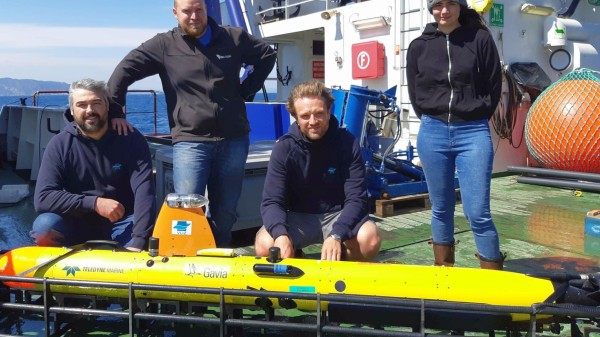
From 13 to 17 October 2025, Ostend was immersed in maritime history as it hosted IKUWA8, the eighth world congress on underwater archaeology, under the central theme 'Telling the Exciting Tales of Our Past'. Four hundred researchers, policymakers, and heritage managers from 50 countries gathered in De Grote Post to explore the richness of the 'blue heritage'. From centuries-old shipwrecks to forgotten coastal landscapes, the sea preserves a wealth of stories that teach us about trade, migration, warfare, and climate change.
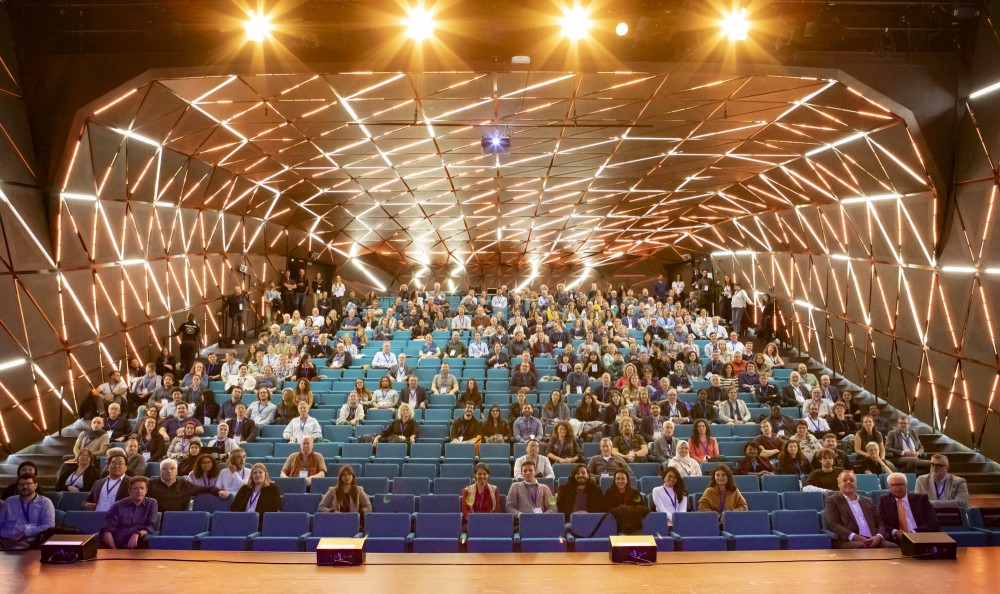
Through lectures, workshops, and excursions IKUWA8 offered a unique perspective on how science, technology, and heritage conservation reinforce each other. New techniques such as 3D scanning and drone mapping now make it possible to chart and share underwater heritage with unprecedented precision. At the same time, participants discussed pressing challenges: how can we protect these fragile remains from illegal salvage, erosion, and the effects of a changing climate?
KUWA stands for Internationaler Kongreß für Unterwasserarchäologie (International Congress for Underwater Archaeology). It is a network that organizes conferences about underwater heritage and archaeology. Its goals include raising awareness about the importance of cultural underwater heritage and promoting international cooperation in the protection, regulation, and research of underwater sites. Founded in Germany in 1999, IKUWA has since held conferences in Rostock, Marseille, London, Zadar, Cartagena, Fremantle, Helsinki, and now Ostend – every three to four years.
For the first time, IKUWA also welcomed the general public to participate through outreach activities. Highlights included the GIRT-workshop for divers, co-hosted by the VLIZ scientific diving team, and an outstanding keynote lecture by James Delgado. This made underwater archaeology not just an academic pursuit but a shared experience that sparked curiosity among young and old alike.
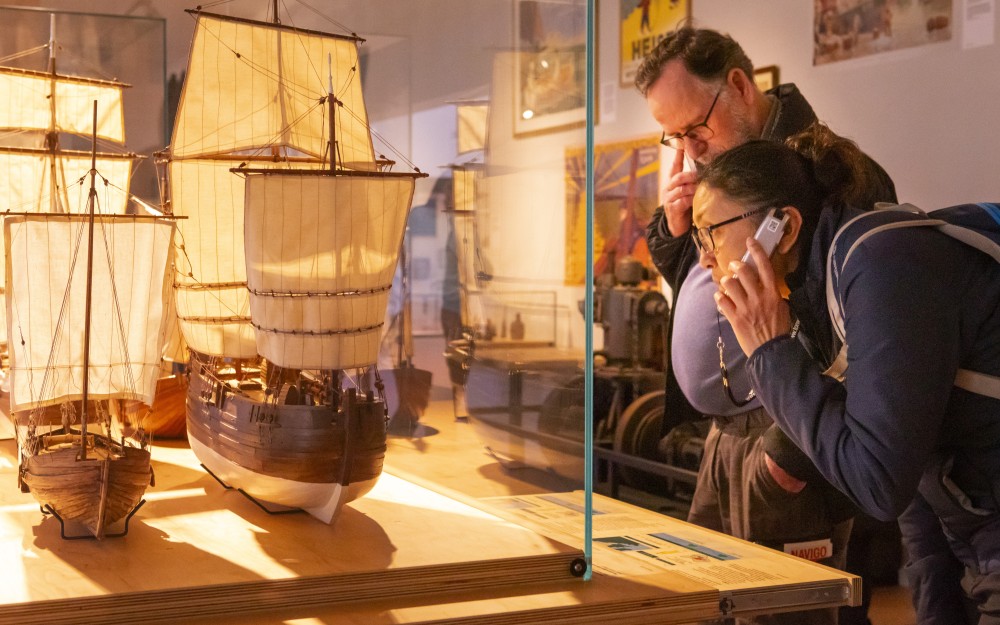
Conference participants could join various educational excursions in Ostend (Fort Napoleon, Mercator, Amandine, Ensor House) and along the coast (NAVIGO Museum, Raversyde, Zwin Nature Park with the Doggerland exhibition) or further inland (medieval Bruges, MAS Antwerp, Ath Espace Gallo-Romaine).
“The broad scope—covering maritime and estuarine heritage, as well as submerged landscapes—is unique in the archaeological world. I also recall the strong keynote speakers, the record number of participants at IKUWA, the powerful lecture by star speaker John Delgado for more than 300 local attendees, and the boost this all brings to archaeological collaboration in our region,” said a pleased Marnix Pieters (Flanders Heritage Agency).
With IKUWA8, Flanders firmly positions itself as a hub for international maritime heritage research. The congress emphasized that our past is not only stored in museums and archives but also lies hidden beneath the waves, beaches, and coastal landscapes—waiting to be discovered and preserved for future generations.
The congress was co-organized by IKUWA, the Flanders Heritage Agency, the Flanders Marine Institute (VLIZ), Erfgoed Vlaanderen, Agence Wallonne du Patrimoine, Ghent University, Vrije Universiteit Brussel, VisitFlanders, the Province of West Flanders, and the City of Ostend. It was supported by Port of Ostend, DRASSM (France), and RCE (Netherlands). IKUWA8 is recognized as an official action within the UN Decade of Ocean Science for Sustainable Development.
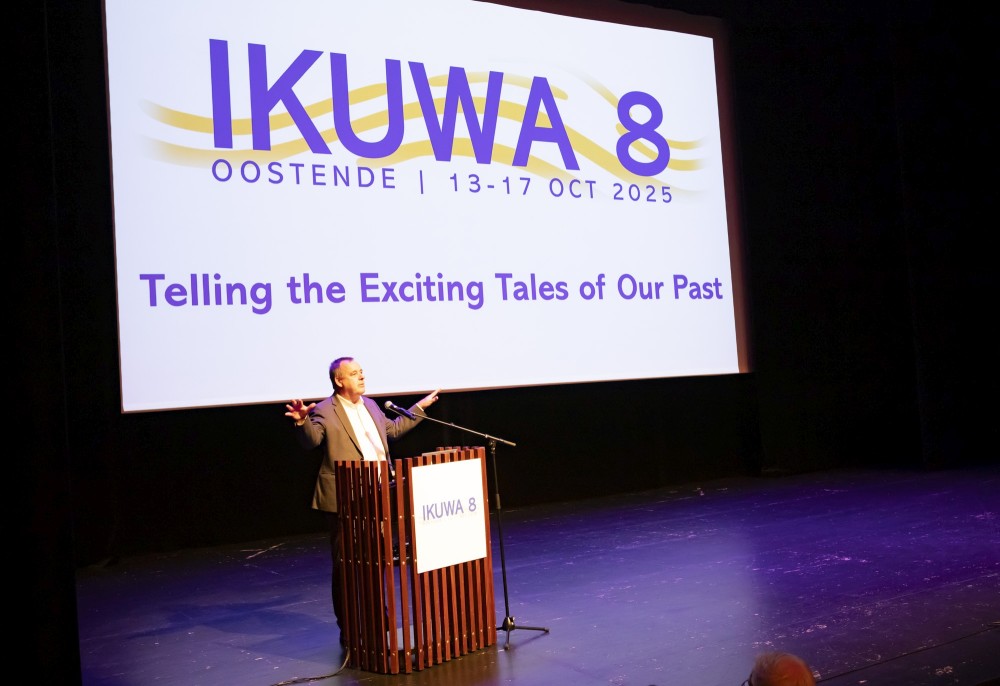
Beyond co-organizing, VLIZ acted as the logistical event manager and communications pillar. VLIZ-president Carl Decaluwé and general director Jan Mees gave a welcoming speech. And various VLIZ scientists and experts were prominently involved through guided visits aboard the research vessel RV Simon Stevin, demonstrations at the Marine Robotics Centre, participation in the GIRT workshop, and numerous lectures, posters, and parallel sessions.
Three young promising marine professionals – from Sri Lanka, Taiwan, and Colombia – were able to attend thanks to a VLIZ philanthropic grant (The Sea as a Good Cause), sponsored by C-Hotels.
Photo: Onroerend Erfgoed | Kris Vandevorst