Are you interested in marine research? Or fancy a look round a research ship? Then on Sunday 15 November — Day of Science — head to the Marine Station Ostend at the Flanders Marine Institute (VLIZ) and discover an ocean of biodiversity.
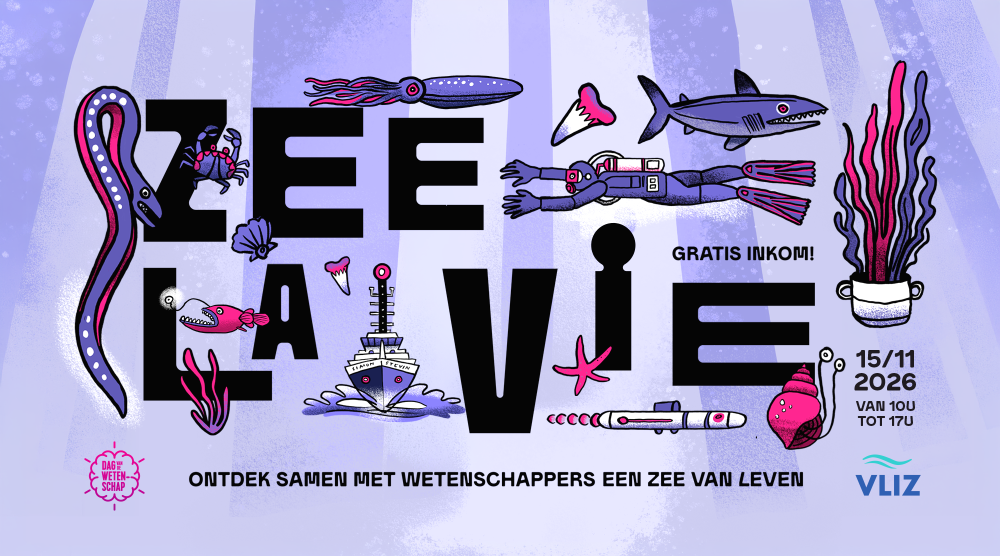
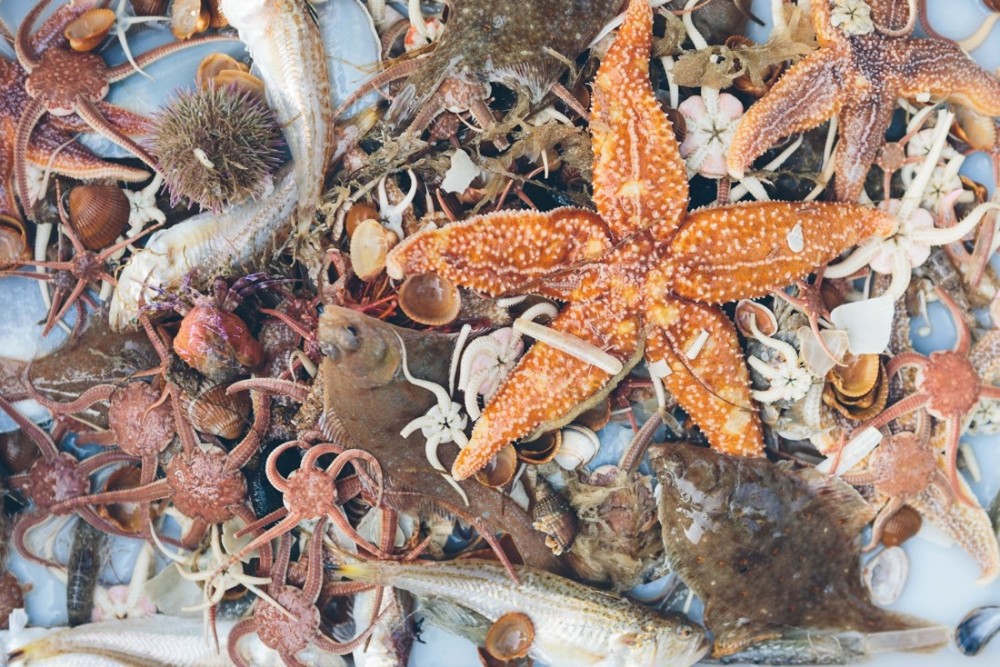
From microscopic plankton to enormous whales, our seas are teeming with life. Every year, an average of 2,000 fascinating new marine species are discovered. But how much life is really hidden beneath the surface? How do scientists keep track of all these species? What can biodiversity tell us about the health of our seas? And how does this rich variety of life affect us?
During Science Day – Zee la Vie, the Flanders Marine Institute (VLIZ) invites you on a journey through the fascinating biodiversity of our seas. Discover VLIZ’s research and find out how scientists search for marine life, identify and monitor species, and study how life underwater is changing.
Enjoy fascinating talks, hands-on workshops, interactive stands and the chance to meet scientists. See the sea through the eyes of a marine researcher, get involved yourself and ask all your questions about life above, on and beneath the seabed.
Whether you’re a curious teenager, a keen student, a professional or simply love the sea, Zee la Vie will show you the marine world as you’ve never seen it before.
Practical information
• When: Sunday 15 November 2026 (10u - 17u)
• Where: Marine Station Ostend (VLIZ)
• Entrance: free
• Contact: info@vliz.be; +32(0)59 33 60 00
More about the annual Day of Science
The Programme
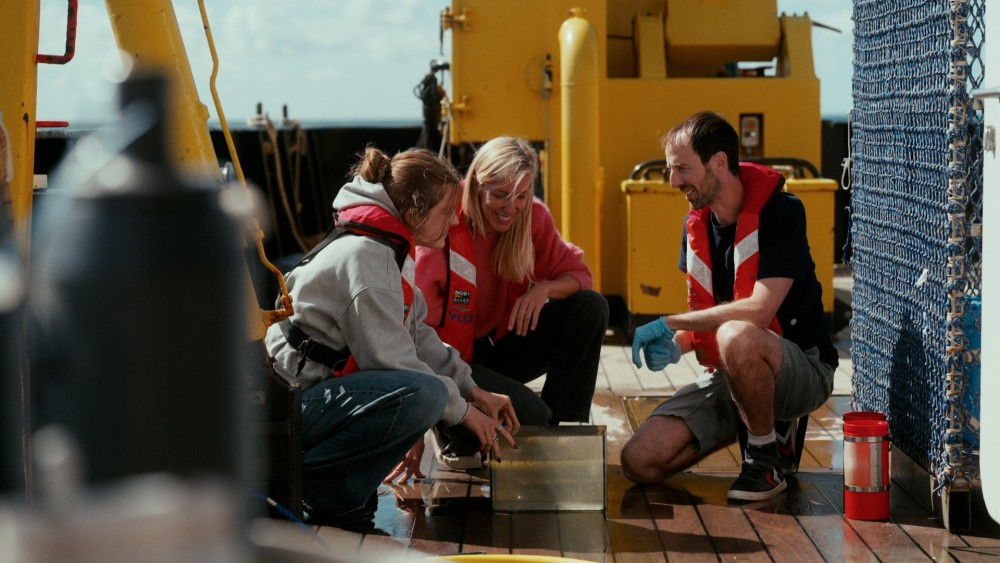
At the Marine Station Ostend and on board the research vessel RV Simon Stevin, you'll meet scientists from a range of marine science fields. Every activity is linked to the amazing diversity of life in the sea!
Workshop: 'Cooking with Seaweed' (FULLY BOOKED)
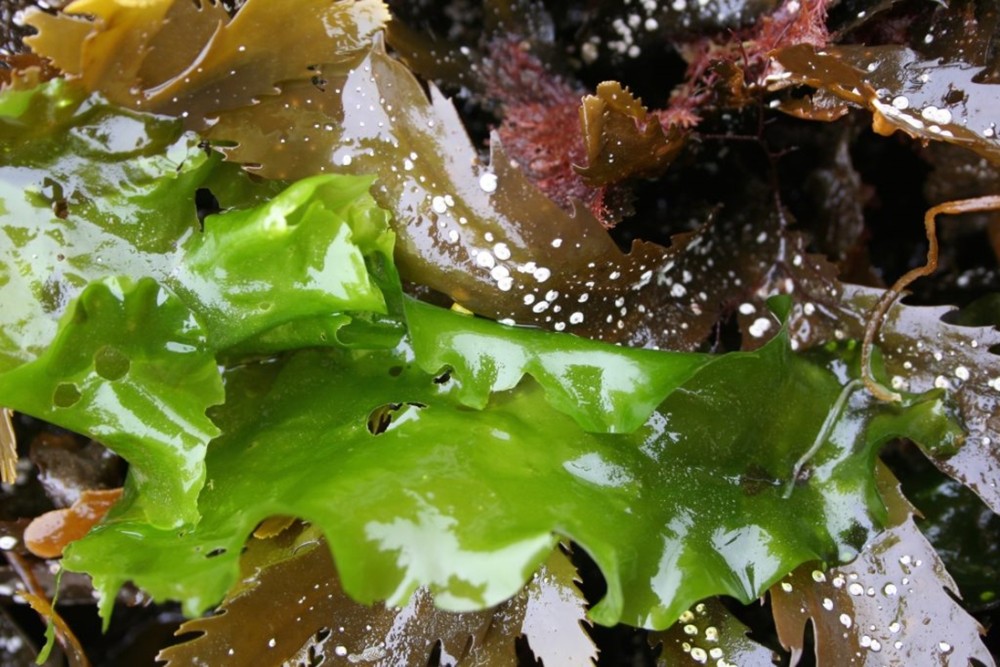
Curious about how to use seaweed in your own cooking? Roll up your sleeves and discover how a little seaweed can turn simple ingredients into surprisingly tasty bites! After a short introduction to four different types of seaweed, it's time to get cooking. Working in small groups, you'll prepare five cold snacks, each with a salty taste of the sea. Don't worry about complicated recipes or tricky techniques. You'll learn simple recipes that you can easily try at home. Perfect for adding an original twist to your next drinks party or get-together! Along the way, you'll explore the different flavours and textures of seaweed and discover just how versatile it can be in the kitchen.
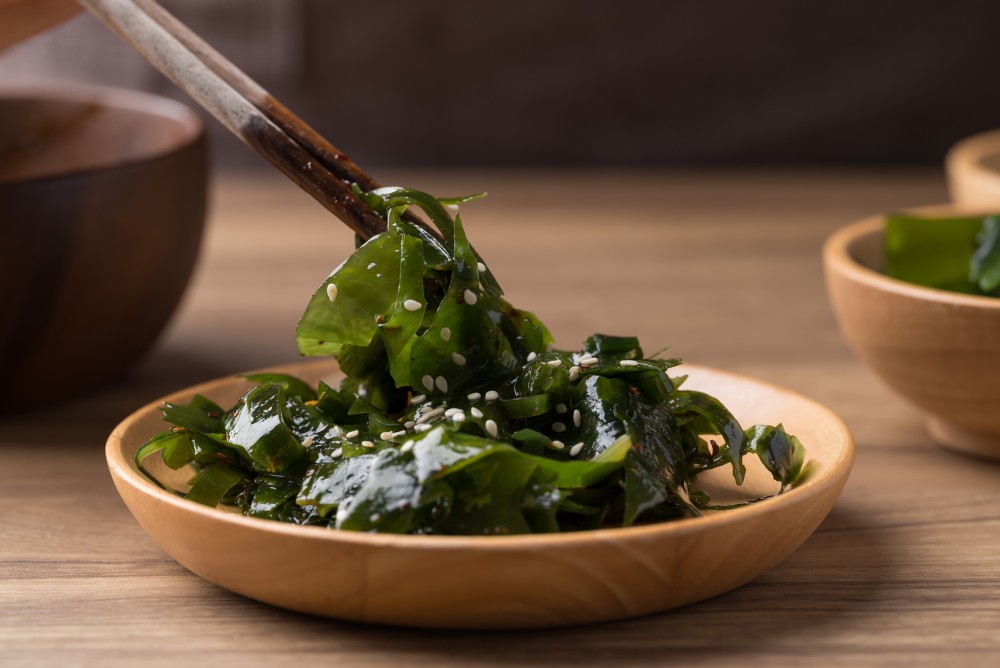
The workshop starts at 2 pm and lasts approximately 1.5 hours. Everyone is welcome, young and old, whether you're a confident cook or a complete beginner. Children can also take part with a parent or grandparent. This workshop is free, but registration is required!
Fascinating talks
Join our series of talks, where experts explore fascinating topics such as strange creatures living in the ocean, seaweed and fossilised shark teeth.
There's no need to register for the talks, but be sure to arrive early to secure your seat! The talks will be given in Dutch.
10:00 - 11:00 Boekvoorstelling ‘Van A tot Zee’ – Jan Seys (VLIZ)
Wist je dat je in een ver verleden te voet naar Engeland kon stappen? Dat kwallen eetbaar zijn? Dat duinen kunnen wandelen? Dat er bijna driehonderd scheepswrakken in de Belgische Noordzee liggen? En dat onze stranden duizend biljard zandkorrels tellen? Dit zijn maar enkele van de vragen waarop het boek ‘Van A tot Zee’ antwoorden biedt. ‘Van A tot Zee’ toont je de wondere wereld van onze kust, ver van alle clichés. Het is een boek dat je volgende bezoek aan de kust nog leuker en interessanter zal maken. Jan Seys, naast Sam De Decker en Johan Termote auteur van dit boek, licht het boek toe in tekst en beeld. Laat na afloop van de lezing uw exemplaar persoonlijk signeren.
11:00 - 12:00 Zeewier: van zee tot bord – Hilde Goossens (Zwin Natuurpark)
Zeewier ken je misschien vooral van sushi, maar wist je dat het ook opduikt in cosmetica, medicijnen, veevoeder, textiel en zelfs kunst? De mogelijkheden van zeewier lijken eindeloos en wetenschappers onderzoeken volop hoe we deze bijzondere organismen kunnen kweken en gebruiken. Tijdens deze lezing duik je in de verrassende wereld van zeewier. Ontdek welke soorten er bestaan, hoe en waar ze groeien en waarom ze eigenlijk geen planten zijn. Je komt te weten waarom zeewier rijk is aan waardevolle voedingsstoffen en maakt kennis met bekende én minder voor de hand liggende toepassingen. En natuurlijk blijft het niet bij kijken en luisteren. We sluiten af met een zeewierhapje, zodat je zelf kunt ontdekken hoe de zee smaakt!
13:00 - 14:00 Boekvoorstelling ‘Het vreemde leven in de oceaan’ – Jan Mees (VLIZ)
In hun nieuwste boek nemen Jan Mees, algemeen directeur van het VLIZ, en Colin Janssen, professor aan de UGent, je mee op reis, van mythische zeedraken tot de echte wonderen van de diepzee. Ontdek een verborgen wereld van zeemonsters die niet angstaanjagend, maar essentieel zijn voor ons voorbestaan. Praat na met de auteurs en laat uw exemplaar persoonlijk signeren.
15:00 - 16:00 Haaien van de Prehistorische Noordzee: wat fossiele tanden vertellen over klimaatverandering, evolutie en de zee van morgen – Joeri Ryckaseys (Palaeontologica Belgica vzw)
Na het uitsterven van de grote zeereptielen op het einde van het Krijt namen haaien hun plaats in als dominante roofdieren van de zee. Van 65 tot 2,5 miljoen jaar geleden lagen Vlaanderen en delen van Nederland grotendeels onder een ondiepe subtropische zee. Aan de hand van fossiele haaientanden ontdekken we welke soorten toen in onze prehistorische Noordzee leefden en welke vandaag nog steeds voorkomen. Welke invloed had klimaatverandering op haaien in het verleden, en wat kunnen deze fossielen ons vertellen over de toekomst?
Visit the Marine Robotics Centre
Robots have become an essential part of marine research! Visit the only marine robotics centre in the Low Countries and meet the different members of our robot family. One of the highlights is the USV Gobelijn, VLIZ's newest robot. Discover how this robot helps marine scientists in their research and opens up new possibilities for exploring the sea.

Step Aboard the Research Vessel Simon Stevin
Have you always dreamed of stepping aboard a real research vessel? Now's your chance! Come aboard and discover what life is like on a ship dedicated to science. The crew will show you around, taking you to places such as the bridge, engine room and the ship's kitchen. Organised in collaboration with Vloot dab and the Agency for Maritime and Coastal Services (MDK).

Dive into the Experience Lab
Step inside VLIZ's interactive Experience Lab and immerse yourself in a unique experience. Take control and explore different climate scenarios at the touch of a button. See for yourself how the ocean and its marine life change depending on the climate scenario you choose. Technology, art and science come together in this fascinating, immersive experience. Definitely worth a visit!

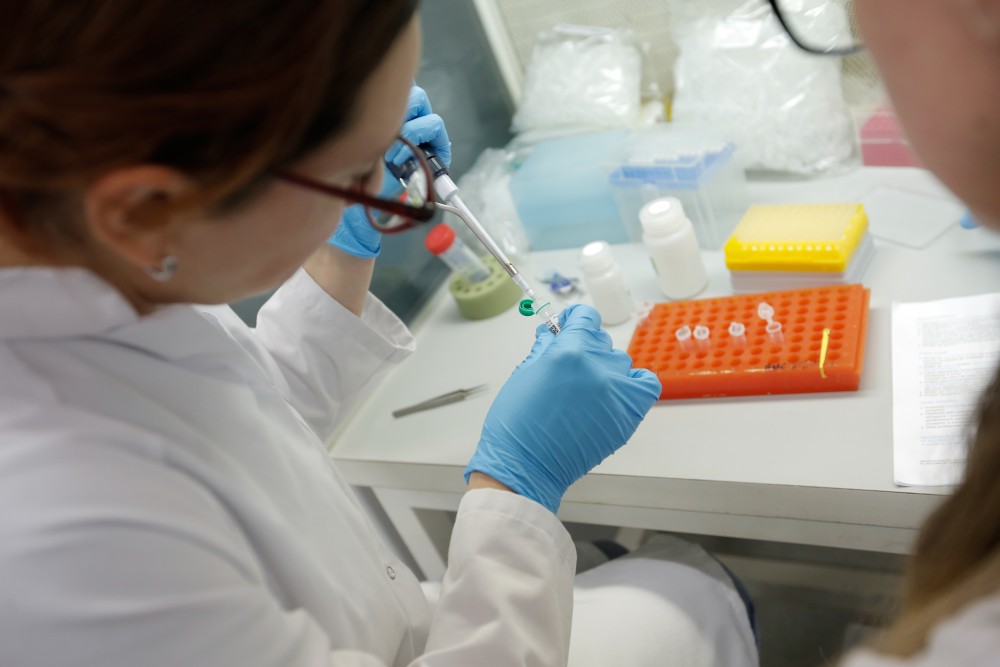
Marine eDNA Detectives – Discover Which Fish Have Been Swimming in These Waters!
Discover how scientists can track down traces of fish in the water! Search for your own eDNA code in a water sample, learn how to make copies of it and find out which fish it belongs to. Become a real DNA detective and uncover the sea's hidden inhabitants!
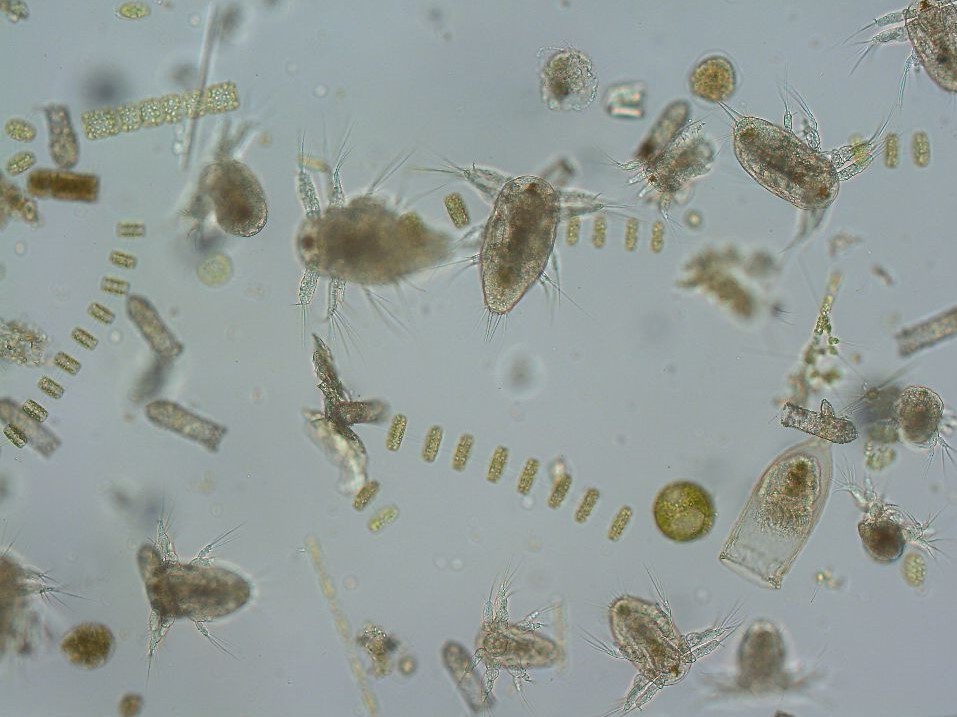
Plankton Image Recognition Aboard the Simon Stevin
Curious about how image recognition and science work together? Aboard the Simon Stevin, you'll discover how scientists use new techniques to collect plankton samples, take photos of them and automatically identify them. Then it's time to put your new knowledge to the test in a fun game: can you beat AI?
Ping! Fish Spotted!
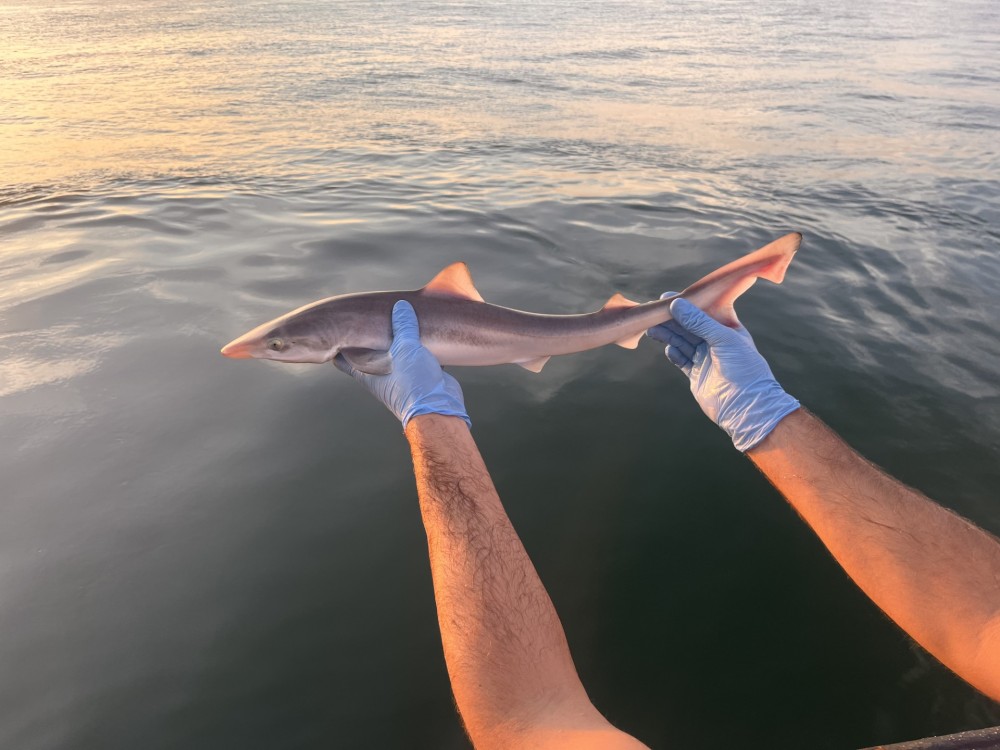
Did you know that sharks live off our coast? And that mackerel swimming in our waters can also be spotted in Denmark? Discover how scientists track fish using electronic tags and special underwater research equipment called landers!
‘Zee in zicht’ cinema
Join Nona 't Jolle aboard the research vessel RV Simon Stevin as she sails across the North Sea, exploring the fascinating science of the sea. Meanwhile, Wim Opbrouck plays a curious submarine dweller who is reluctant to leave his safe hideaway deep beneath the waves. Luckily, Nona and the scientists at VLIZ are here to help! Sit back, relax and enjoy a series of episodes exploring plastic pollution, fish tracking, plankton and much more. Let the waves of discovery carry you away!
Scientific diving
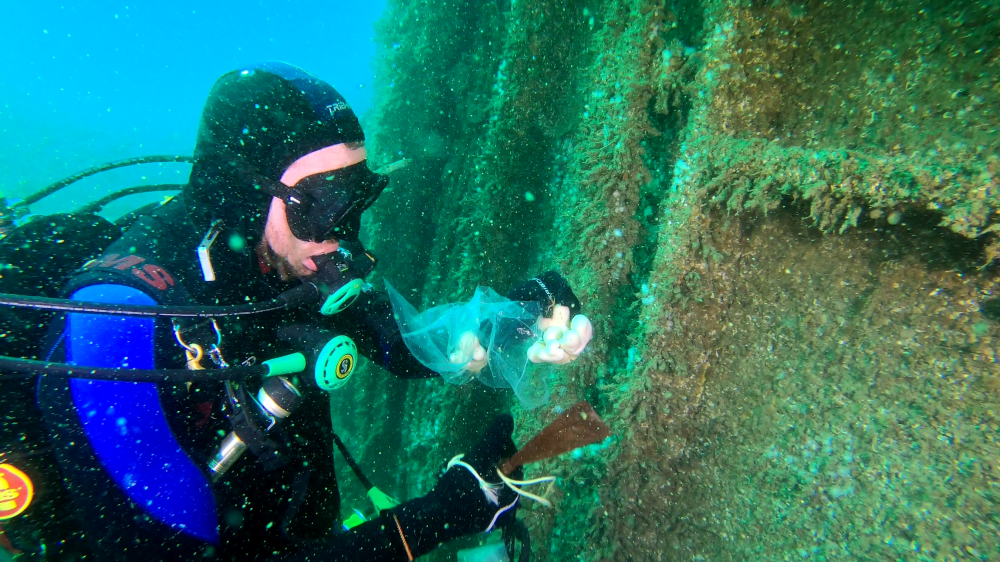
The Flanders Marine Institute (VLIZ) has a dedicated team of fifteen scientific divers. They carry out a wide range of tasks in the North Sea, from installing and retrieving measuring equipment to taking part in international research projects. Diving in the North Sea can be challenging. Strong currents and poor visibility mean that divers need advanced safety equipment and clever techniques to work safely. Curious to find out more? Be sure to visit our information stand!
Treasures on Dry Land: Book Fair
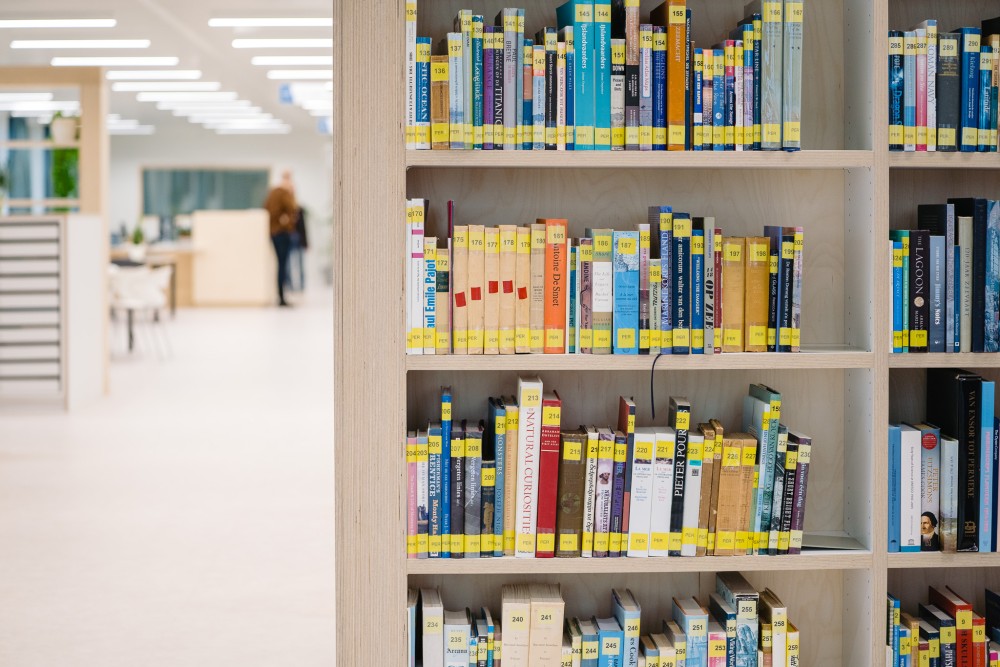
Come and browse our collection of second-hand books and a few unique treasures! From fascinating books about the coast and the sea to light-hearted novels, there's something for everyone, young and old. Found something you love? Take it home in exchange for a donation of your choice. Everyone is welcome, so take your time, have a look around and pick up something special!
Test Your Knowledge of Marine Life
Dive into the wonderful world of marine biodiversity! Can you match each sea creature to its correct name? From familiar species to surprising discoveries, take a closer look, make your best guess and see how many you can identify. A fun game for curious explorers and a great way to learn more about the colourful variety of life beneath the waves!
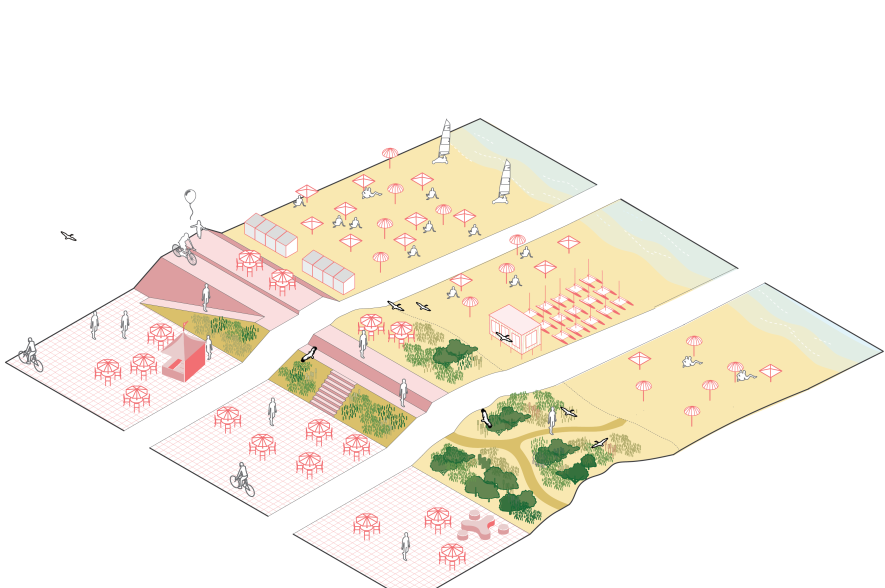
Coastal Vision: The Future of Our Coast: Coastal Vision
What will our coastline look like in the future? Will we build huge sea walls, or make more room for dunes and wildlife? Coastal Vision (Kustvisie), the Flemish plan to protect our coast from rising sea levels, aims to extend the coastline further out to sea, creating wider beaches and new dunes. Visit our stand to see how waves affect a sea wall or a beach, and have a go at the Sea Level Game!
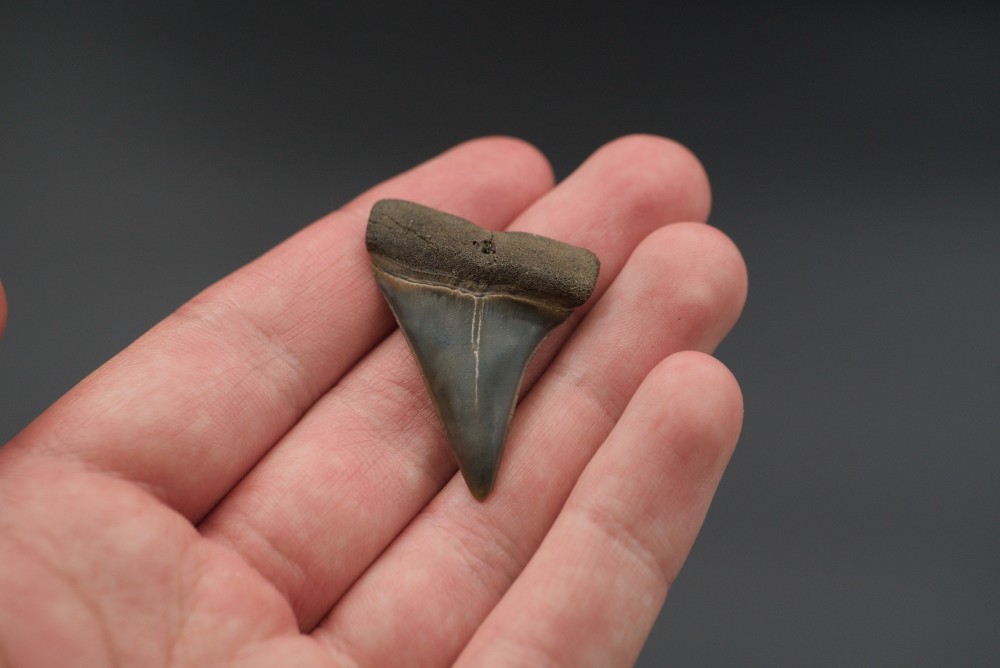
Fossilised Shark Teeth
How do we know which sharks lived in our seas millions of years ago? Visit our stand on fossilised shark teeth to find out! By studying a single tooth, scientists can discover what species a shark belonged to, what it ate and how it hunted. These fossilised teeth reveal the amazing variety of sharks that once swam in the prehistoric North Sea.
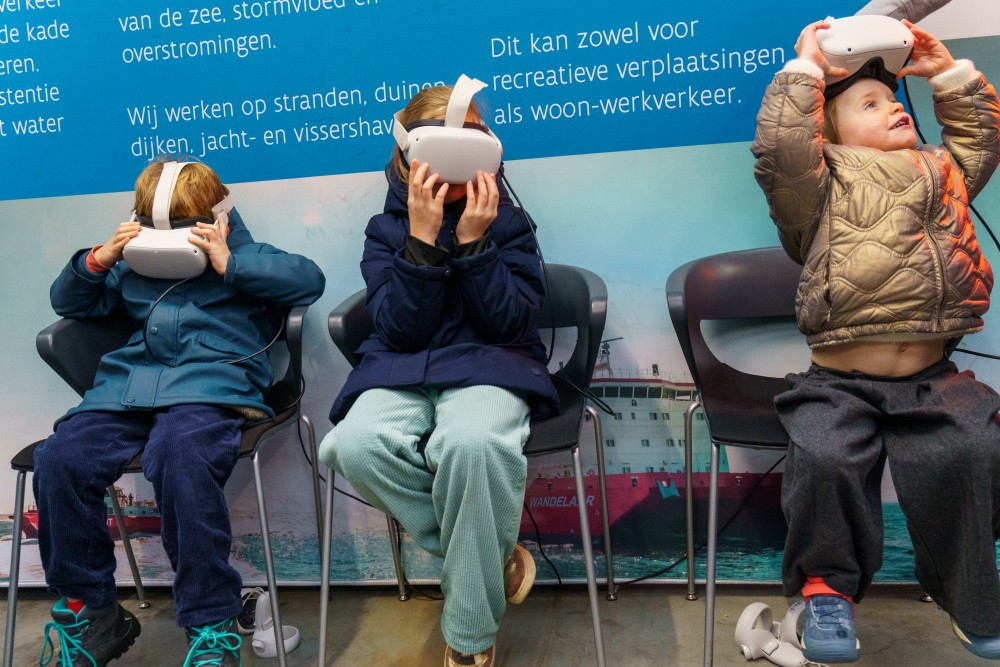
VLOOT
Discover what MDK does and meet the people behind its services. Step aboard a vessel virtually, or climb aboard the Simon Stevin research vessel for real!
Seaweed: From Science to Your Plate
Seaweed is much more than just a 'plant' from the sea. It's a sustainable resource with great potential for the food of the future. Researchers from VIVES will take you on a journey from the science behind seaweed to the finished product on your plate. Discover how they study, process and turn this remarkable marine crop into tasty ingredients, and enjoy a taste of seaweed for yourself!
Mussels, Tiny Crustaceans & Microplastics
Microplastics are tiny pieces of plastic found almost everywhere, including in the sea. But how do they affect life underwater? Discover how scientists study the effects of microplastics on marine creatures such as mussels and tiny crustaceans called copepods. Find out how we set up these experiments and what we need to consider along the way!


The activities at VLIZ in the context of Science Day have been endorsed as an official activity within the United Nations Decade of Ocean Science for Sustainable Development. More information on
https://oceandecade.org/.